
Boston Climate Action Network is pleased to see a slate of bills as part of the Clean Heat Platform remain under consideration until April following Joint Rule 10 and urges lawmakers to take action on these crucial bills to reduce greenhouse emissions in buildings.
Joint Rule 10 requires all Joint Committees in the Massachusetts Legislature to report on bills by the first Wednesday in February in the second year of the legislative session. Committees can request extensions up until the end of April and often do so. Bills that are not reported favorably out of committee, sent to a different committee or requested for an extension will not be passed during the session, unless their language and contents are rolled into other omnibus legislation.
BCAN is proud to be one of dozens of Massachusetts climate organizations to support the Mass Clean Heat Platform. To assist the legislature in crafting solutions to climate change, this coalition came together to put forward specific strategies to reduce greenhouse gas emissions from buildings in a cost-effective, equitable, and timely manner. Pursuing an equitable transition requires focusing on electrification in existing and new buildings and moving beyond fossil fuels. Buildings contribute 70% of emissions in Boston, so tackling these emissions is one of the most effective ways to reduce our carbon footprint and meet Massachusetts’ ambitious climate goals.
One key bill under consideration by the House Telecommunications, Utilities and Energy Committee is the Zero Carbon Renovation Fund (ZCRF) Act. The ZCRF Act would
Zero Carbon Renovation Fund Act (H. 3232/S.2365) would allocate $300 million to jumpstart the market for zero carbon renovations in existing buildings in Massachusetts and will include improvements to maximize energy efficiency. The House TUE Committee extended its reporting date to April 7 and the Senate referred the bill to the Joint Committee on Ways and Means, which will now review the bill. Governor Healey’s $4.1B Affordable Homes Act also includes $425 million in funding for building decarbonization, a clear indication that the legislature must take this issue as seriously as the governor.
BCAN also urges the passage of the Housing and Environment Revenue Opportunities (HERO) Act (H.2894/S.1799). Climate change and affordable housing are becoming inextricably linked, and the HERO Act couples solutions to these issues crises by raising the Deeds Excise Tax to generate $300 million annually and boost the crucial investments in energy efficient housing and environmental justice communities. The Joint Committee on Revenue extended the reporting date to April 30 after failing to bring this bill to the floor in the last session. Investments in housing and climate are necessary to create a resilient economy prepared for the adverse impacts of climate change and to help residents, especially our BIPOC neighbors in vulnerable communities, establish long lasting roots in the Commonwealth.
Other bills that were granted extensions by the legislature cover expanding the fossil fuel free pilot program, supporting a growing green workforce, establishing a municipal reforestation program and renewing building and energy standards. Boston Climate Action Network, along with our hardworking coalition partners and dedicated volunteers across the city, calls for lawmakers on Beacon Hill to move these bills through the legislative process and finally take meaningful actions to reduce building emissions.
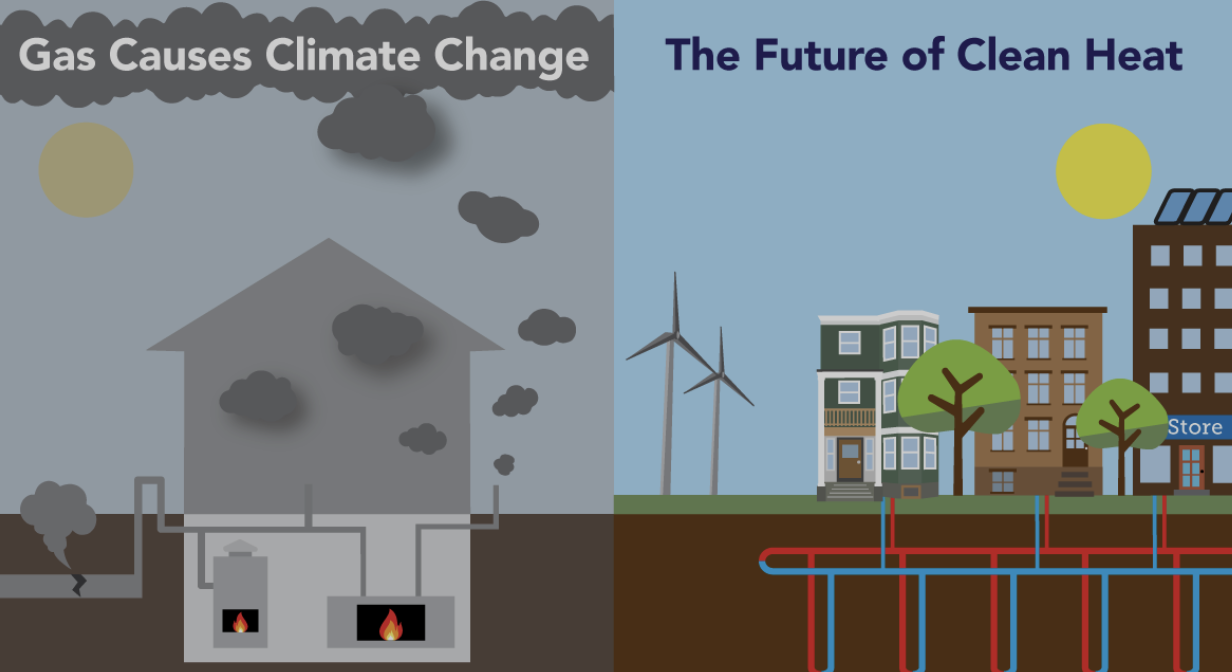
Image from Mothers Out Front
 BCAN
BCAN 
You must be logged in to post a comment.